Senior Reflections
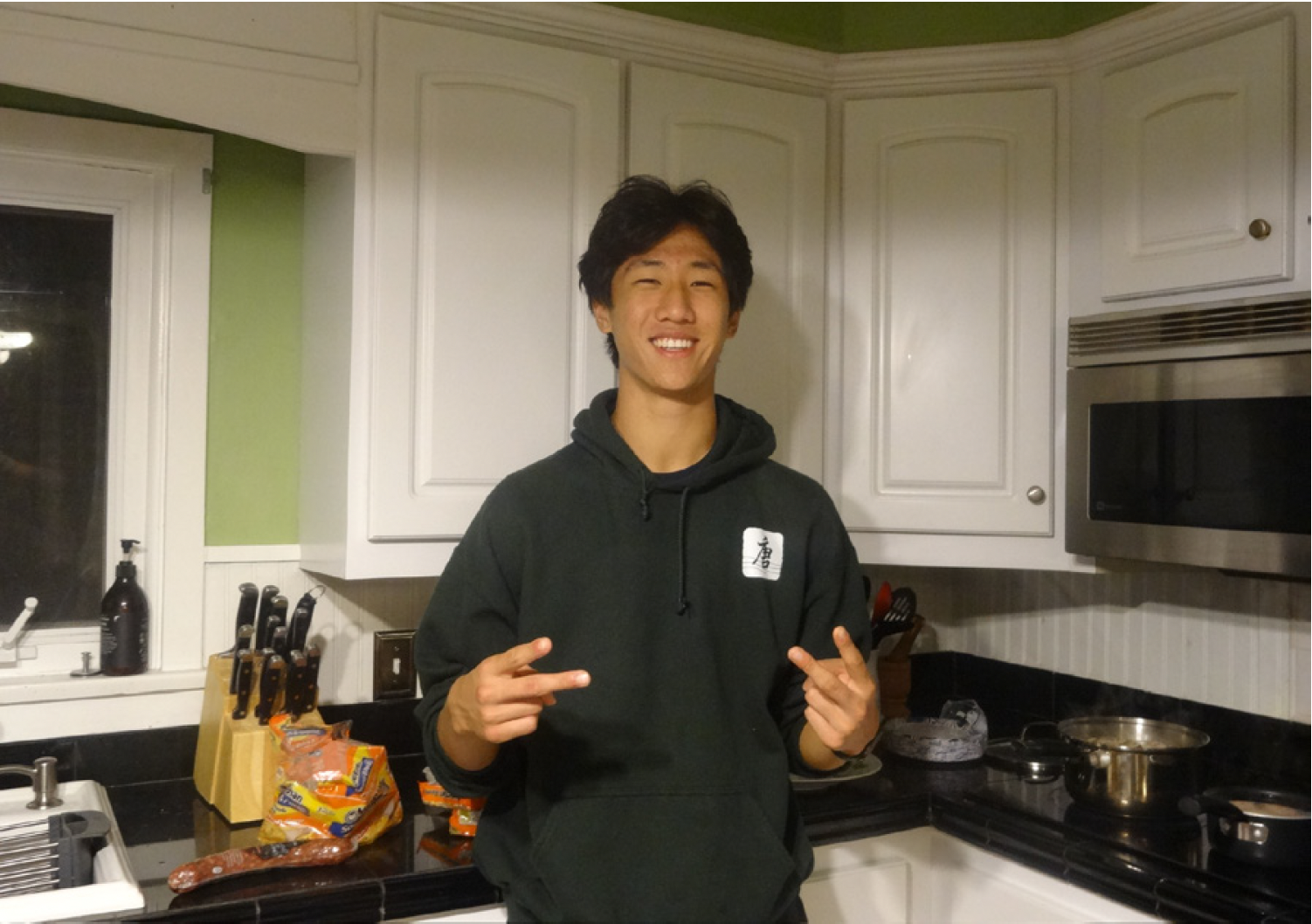
HT Xue
Over my time at Milton, I’ve received a lot of advice from older students about how to spend my time here (“be yourself”, “try everything”, etc.). Living through Milton has taught me that it’s much easier said than done to follow through with these big-picture guidelines. So, in my last chance as a Milton student to impart some counsel, I want to reflect on two principles I’ve followed during my time here and what I wish I knew about them earlier.
1) “Milton is a special place, so enjoy it.”
Milton can indeed give you special – magical, even – moments. But, as you enter your upperclassmen years, and responsibilities mount, these moments might seem to become rarer. My advice on how to make more out of Milton: there is nothing innately magical about this place – rather, the people who constitute it (i.e. you) make it magical. My most meaningful experiences at Milton were magical because someone put their heart into it. For example, cross country this year was unforgettable because my co-captain Teddy set an example for the team with his passion for the sport.
As an underclassman, every moment here will feel like a dream come true, because the fun, the community, and the very infrastructure of the school is facilitated by adults and older students, and you get the opportunity to take part. As an upperclassman, you become a part of the infrastructure, both formally and informally, whether you like it or not. On one hand, that means the excitement of being here dulls. On the other, that means you get a uniquely powerful say in molding the school. So, mold it.
Want to change school culture? Then model your desired behavior yourself; the school is small enough that individual actions shape broader habits. Want school policy to change? Submit an opinion article to The Paper, and the right people will likely read it. Love a club and wish it were more prominent? Then put your all into that club: bring your boldest ideas and be uncompromisingly passionate. Loving a team, dorm, or friend group? Choose, everyday, to nurture that community. You are the Milton experience. Your actions shape it. Don’t spend your time here waiting for the magical things to happen. Make them happen.
2) “Say yes to everything.”
At face value, this piece of advice seems sensible, as you should take advantage of Milton’s unique abundance of opportunity. Yet, in today’s increasingly college-focused high school environment, the mindset of “saying yes” inevitably comes hand-in-hand with the pressure to quickly find a college-presentable set of activities to commit to before it’s too late to apply to leadership positions. Following this principle, I took on too many responsibilities my sophomore and junior years, each of which diluted one another. I was burnt out, and my personal relationships suffered as I prioritized performing achievement over being an actual person.
This experience taught me that before building a habit of saying yes, one has to learn to say no first. Underneath all the things you do or are passionate about (what you’ve said yes to) is a raw, unembellished, real person. You have to find that person before you decorate them. Doing so requires you to say no to some activities you’re interested in, and that’s okay. Let your intellectual growth happen naturally, and learn to be a real person in the moments in between: strive to be kind to others, be a good friend, rest, play, laugh a lot, practice mindfulness, and exercise your body. Only once you’ve done these things will you be ready to say yes, and fiercely shine as you’re meant to.
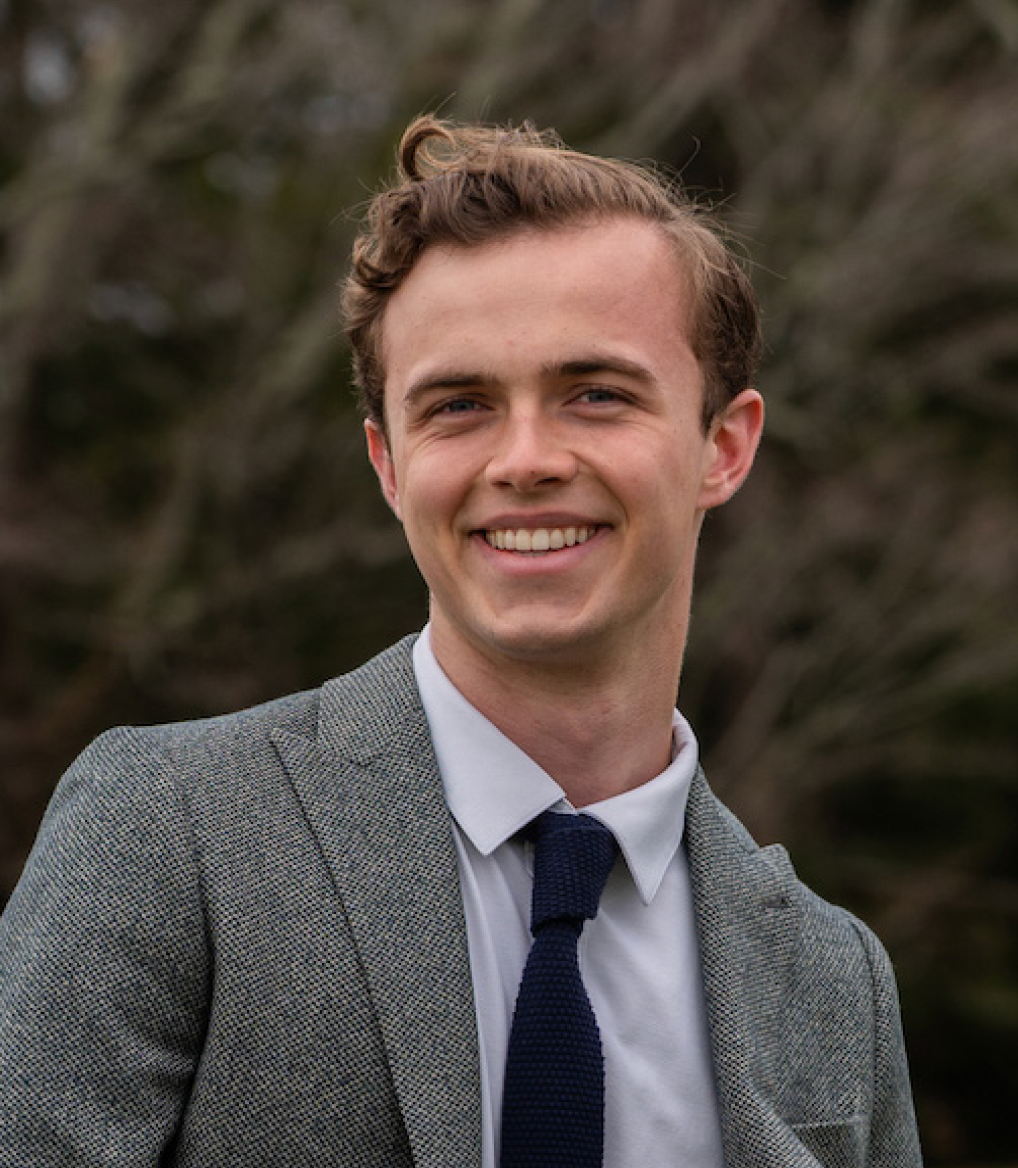
Rhys Adams
Last year, I nearly tore my hair out waiting for Jason and Adrienne to turn in their senior reflections for our grad issue, which we sent to our printing company several hours after it was due. Today, it feels as though the last lesson those two superb student journalists taught me about editing The Milton Paper has come twelve months after they graduated: these farewells are damn hard to write. I don’t know if Paper readers would be better served by advice, reflections on publications this year, or commentaries on the state of Milton. As such, I will go out on a limb and try to combine the three into a coherent appeal: resist the rhetoric of inevitability.
I came to Milton uninterested in student newspapers, ever since an ill-fated attempt to create one back in fourth grade—several of my writers rebelled when I asked them to properly punctuate their articles. Only in my sophomore year did I embark upon two productive reportorial ventures: my journalism elective, in which I enrolled only because the term “media literacy” was in the course title, and an interscholastic international relations periodical called Diplomacy Decoded, which, at its height, featured five writers from Milton and twenty from other high schools. The irony of that year rested in the fact that my course was gradually teaching me that nearly everything about how I was running Diplomacy was dead wrong. I haven’t been allotted the space to bore you with the details (count your blessings, dear reader), but they were compelling enough that, as a junior, I suspended Diplomacy to cut my teeth as opinion editor for The Milton Paper.
This publication has taught me more than any other extracurricular affiliation at Milton or before. I’ve learned how to fight unabashedly for people who disagree with me, how to decouple my vision of success from the approval of authority figures, and how to build teams that implicitly treat people like they’re smart, because they are. These lessons did not simply materialize as I worked; my senior mentors and I had to search for them in uncomfortable and counterintuitive settings. As I consider who I would be had I trusted in the inevitability of gradual revelations along my previously established path, I am grateful that I didn’t. I have Dr. Nurenberg, Adrienne Fung, Caroline Blake, Jason Yu, and Annaka Schmults to thank for that.
It’s easy to rationalize inertia. Often, “the way things are going” appears natural and right by default, but trusting that appearance uncritically is fallacious. Our editorials this year calling for phone-free zones, fewer class cancellations, more openness to honest feedback, and a reduction in performative burnout converge in their intention to somehow break inertia, a goal that the readings Mr. Margraf assigned me this month—Hito Steyerl’s Medium Hot, Guy Debord’s The Society of the Spectacle, Herman Melville’s “Bartleby,” and Toni Morrison’s 1993 Nobel Lecture—have validated. I want to dissent from a particular form of inertia that has taken hold at Milton and beyond: the insistence that we ought to “incorporate” all widespread technologies into our model of education because of their prominence in the “real world.” Smartphones and GenAI are designed for ease of use; their absence in Milton’s curricula will not inhibit students from existing alongside them outside of school. Reworking syllabi around AI toys—which Milton, thankfully, hasn’t done—and downplaying a culture of AI cheating so endemic that even (optional!) student publications have had their submissions flooded with artificial content—which Milton, in the coming years, has the option to do—surrenders to “inevitability.”
The Academy, through all of its remarkable intellectual opportunities and luminous minds, has taught me that I should think harder than assuming inevitability. That lesson is worth keeping in mind. Leading this paper has been a unique honor and a profound joy. Thank you to my co-editors; all of our staff and contributors; our faculty sponsor, Mr. Idsvoog; and my English teachers, Mr. Quiñones, Ms. Figueroa, Lou Kinder, and Dr. GwinnLandry. Most of all, thank you for reading.